
PATIENT STORY
Meet Precious McCowan
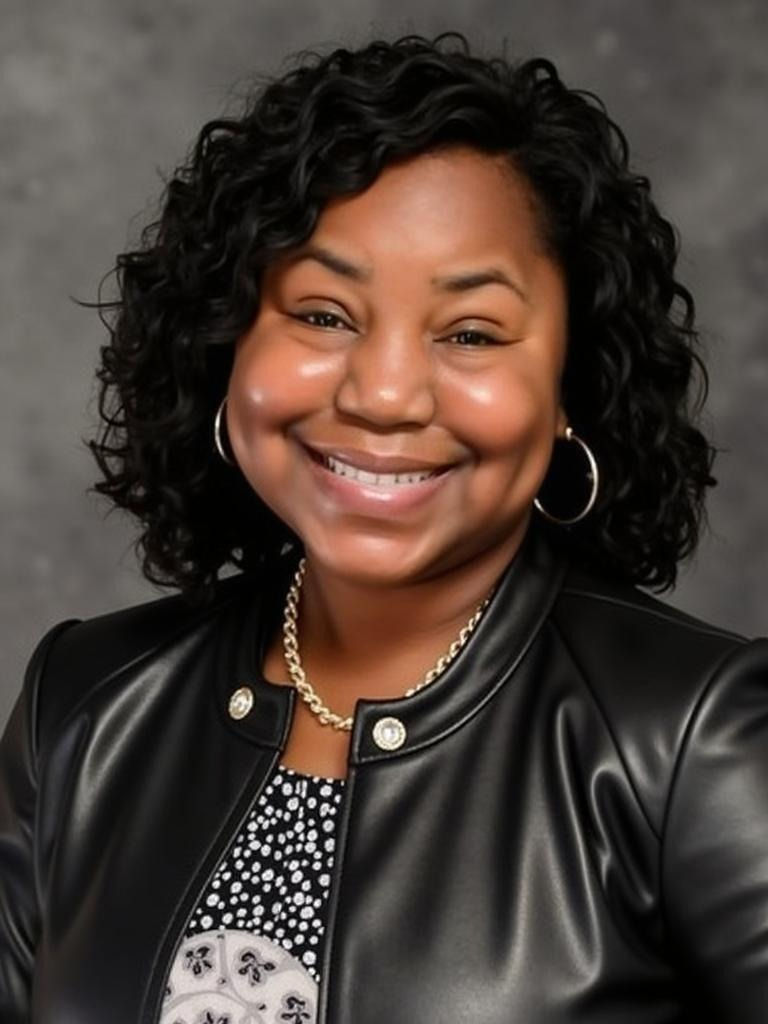
"Nothing About Us Without Us": A Patient's Journey in Advocacy and Research
2/28/23, 10:00 PM
"I haven't always been a confident, activated patient for myself. I experienced low health literacy and didn't know what questions to ask. That’s why I value the opportunity to mentor individuals living with kidney disease and to help develop patient centered educational resources with kidney advocacy organizations.”
Precious’s journey with kidney disease began with a life-changing diagnosis but grew into a powerful calling as she transformed her challenges into purpose, emerging as an inspiring patient advocate and researcher. Her journey has a little over 10 years on dialysis and three kidney transplants, one being a joint pancreas transplant. These experiences were both physically and emotionally challenging, but they strengthened her resilience and sense of purpose.
Precious realized that her lived experiences could help others, inspiring her decision to become a patient advocate working to elevate the voices of people living with kidney disease, and to ensure that patients' perspectives are included in every stage of care and research. Inspired by her experience as a patient in clinical research, Precious pursued a master's degree and PhD in human behavior. She currently works as a research assistant at the University of North Carolina Kidney Center on the Symptom Monitoring in Renal Replacement Therapy–Hemodialysis study, which focuses on improving symptom monitoring for dialysis patients.
Finding Your Voice: Advocating for Yourself and Inspiring Others
Precious remembers when she became very sick and had to begin emergency dialysis, she struggled. She struggled with understanding her treatment plan and what it means to follow a renal diet. As time went on, she became more involved with her own care: asking her doctor questions and learning more about kidney disease.
Precious felt especially empowered when her nephrologist asked her to become a patient representative, and that outreach thrust her forward into many more opportunities. She refused to let another peer with kidney disease struggle the way she did. Precious served as the liaison between dialysis patients and the staff with a focus on health literacy and education. Each month, she worked with the social worker and the dietician to host lobby day discussing topics like fluid management and controlling potassium levels.
“I always say one thing to my mentees: ‘Nothing about you without you.’ Ask your care team to involve you in their plans. Do not make decisions without considering your concerns or involving you in the process.”
Precious later became chair of the Patient Advisory Council through the Center for Medicare & Medicaid Services. She worked to create patient and family friendly educational resources to be shared throughout the country to various dialysis and transplant facilities. She also became more active in patient advocacy with the American Association of Kidney Patient and as Regional Leader and Public Policy Co-Leader with the National Kidney Foundation helping to elevate patient voices through policy efforts impacting kidney care. Additionally, Precious is a member of the Organ Procurement and Transplantation Network Multi-Organ Transplant Committee and serves on the American Society of Nephrology’s Kidney Health Initiative Patient and Family Partnership Council.
When asked what advice she would give to other patients hoping to become more involved in advocacy and research, Precious expressed, “Patients having a seat at the table — and not just a seat, but a voice — is incredibly important. Whether it’s participating in a clinical trial, providing feedback in a qualitative study, or serving on a research advisory board, your voice matters. And even if you’re not involved in research, your voice still matters. Your lived experience is valuable not only for your own care, but also for the broader patient community and the healthcare professionals who serve it.”

Living the Data: A Patient’s Role in Writing the Next Chapter of Research
Initially, Precious was skeptical about participating in research due to the historical exploitation of the Black/African American community for research like the Tuskegee Syphilis Study. However, research became part of Precious' life when she became involved with Patient-Centered Outcomes Research Institute, where she assists patients to get connected with available research studies by fostering transparency and education. When engaging in research, Precious encourages others to ask about the purpose, the risks, and the benefits to feel confident about making informed decisions.
Precious' doctoral research aimed to bridge the gap between lived experiences and scientific inquiry, ensuring that research questions and solutions align with patients' fave everyday. She conducted a qualitative study with African American women who were both family caregivers and patients living with chronic kidney disease, exploring how they balance their own healthcare needs with their caregiving role.
Healing Together: A Patient’s Advice for Building Trust in Care
"The advice I would give to my healthcare providers who are trying to build trust with patients is to lead with transparency, empathy, and partnership. As patients, we are more open to research when we feel seen, when we feel heard, and respected, not just pursued because you're trying to check a box your facility has. Acknowledge that patients bring expertise based on our lived experience. When providers genuinely collaborate with us and value our perspectives, trust, it grows and you develop those relationships where the patient feels comfortable asking questions."
Helpful Resources for Patients
National Kidney Foundation (NKF) Peers: https://www.kidney.org/treatment-support/peers
The American Association of Kidney Patients (AAKP): https://aakp.org/
United Network for Organ Sharing (UNOS): https://unos.org/
Patient-Centered Health Outcomes Institute: https://www.pcori.org/